
A hiring manager likes a candidate. The interview goes well, the resume checks out, and the references sound positive. Six months later, the same employee is struggling with pace, communication, and role fit. That gap is exactly where a disc behavioral assessment can add value. It does not replace judgment, but it gives hiring and development teams a more structured view of how a person is likely to behave on the job.
For organizations trying to improve selection accuracy and employee development, behavioral data matters because performance is not driven by skills alone. A person may have the right experience and still miss the mark if the role requires a style that does not align with the day-to-day demands of the work. Used correctly, DISC helps decision-makers reduce guesswork and have better conversations about fit, coaching, and performance.
What a disc behavioral assessment measures
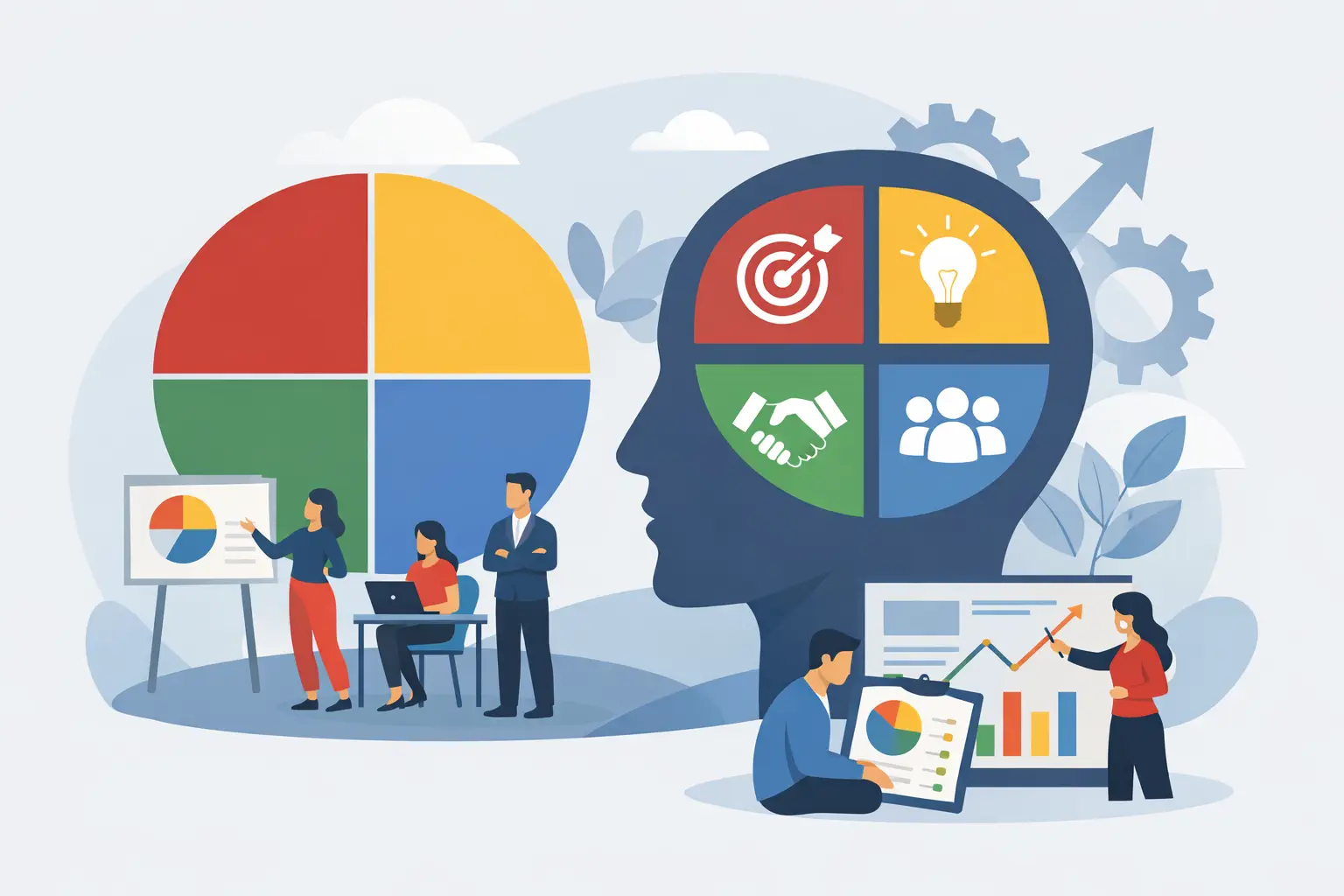
A disc behavioral assessment evaluates observable behavioral tendencies, typically across four dimensions: Dominance, Influence, Steadiness, and Compliance. These dimensions are not measures of intelligence, values, mental health, or technical competence. They are indicators of how a person tends to approach problems, interact with others, respond to pace, and work within structure.
That distinction matters. In hiring, leaders sometimes expect one assessment to answer every question. DISC is not designed to do that. It is most effective when it is used for what it measures well – behavioral style and workplace tendencies. When teams understand that scope, they are more likely to use the results appropriately and get practical value from them.
A high Dominance pattern may suggest a direct, results-focused style. High Influence may point to a more persuasive and outgoing approach. High Steadiness often aligns with patience, consistency, and supportiveness. High Compliance can indicate attention to detail, process, and accuracy. Most people are not a pure type, and their results usually reflect a combination of traits rather than a simple label.
Why DISC remains useful in hiring and development
DISC has stayed relevant because it translates behavioral data into language managers can use. That makes it useful across the employee lifecycle, from pre-hire screening to leadership development and team coaching. For HR and talent leaders, the value is not in personality jargon. The value is in making better people decisions with more consistency.
In hiring, DISC can help clarify whether a candidate’s natural style fits the behavioral demands of a role. A fast-moving sales role may require more assertiveness, persuasion, and comfort with rejection than an internal compliance position. A customer service role may demand patience and consistency under pressure. The goal is not to hire one style over another. The goal is to understand what the job actually requires and compare that with the candidate’s likely behavioral fit.
In development, the same assessment can support more productive coaching. Managers often know an employee is underperforming but cannot clearly identify why. DISC gives them a framework to discuss communication, pace, decision-making, adaptability, and work preferences without relying on vague impressions. That tends to improve the quality of feedback and reduce avoidable friction.
Where a DISC behavioral assessment helps most
The strongest use cases are practical and role-specific. A DISC behavioral assessment is especially valuable when an organization needs better visibility into how people are likely to operate in real work settings.
One common use is role fit. Behavioral mismatch is a frequent source of turnover, especially when a job requires a style that sharply differs from the employee’s natural tendencies. Another use is manager-employee communication. Many performance issues are not capability problems alone. They are execution and communication problems that improve when leaders understand how a person prefers to receive direction, process change, and manage workload.
DISC is also useful for team dynamics. Teams do not fail only because of poor strategy. They also lose effectiveness when members misunderstand each other’s pace, priorities, and communication styles. A structured behavioral framework helps teams see those differences more objectively.
Leadership development is another strong application. Emerging leaders often need to understand how their style affects others. A high-drive leader may need to build patience and listening. A highly steady leader may need support with difficult conversations or speed of decision-making. DISC gives coaches and organizations a practical way to address those gaps.
What DISC should not be used for
A common mistake is treating DISC as a stand-alone hiring decision. That creates risk. No behavioral assessment should carry the full burden of a selection decision, especially in roles where technical competence, experience, and cognitive demands are also significant factors.
DISC should not be used to stereotype people or place them into rigid categories. It is a decision-support tool, not a shortcut. People can adapt, grow, and perform outside of their natural preferences, particularly when they are motivated and supported. The assessment identifies tendencies, not fixed limits.
It also should not be presented as a measure of good or bad. Every style brings strengths and constraints. A highly dominant person may drive results quickly but create tension if they overuse force. A highly compliant person may improve quality and precision but slow down action if analysis becomes excessive. Context determines whether a behavioral pattern helps or hinders performance.
How to use DISC well in a hiring process
The best hiring applications start with the job, not the candidate. Before using DISC, define the behavioral demands of the role with discipline. What pace does the job require? How much independence, persuasion, patience, structure, or detail is needed? Without that step, the assessment can become an exercise in preference rather than fit.
Once the role is defined, compare assessment results with the behavioral profile that supports success in that environment. This should inform, not replace, interviews and other validated hiring tools. If the results suggest a potential gap, the right response is usually more focused interviewing. Ask how the candidate has handled similar demands, adapted to pressure, or worked in comparable conditions.
This is where experienced interpretation matters. A result is rarely self-explanatory. A candidate may score in a way that appears misaligned with the role but still have a track record of adapting effectively. Another candidate may look behaviorally aligned and still fail because of skill gaps or poor motivation. Good hiring decisions come from combining structured assessment data with job-relevant evidence.
Organizations that use DISC effectively usually embed it into a broader selection process. That may include competency-based interviewing, role-specific assessments, reference checks, and other screening tools. The point is better decision quality, not dependence on a single instrument.
Using DISC after the hire
Post-hire use is where many organizations leave value on the table. Once an employee joins, DISC can help managers shorten ramp time and improve coaching precision. Instead of taking months to learn how a new employee responds to feedback or handles change, the manager starts with a practical map of likely work style preferences.
That can shape onboarding, communication, delegation, and development planning. A high Influence employee may benefit from interactive onboarding and visible connection to people. A high Compliance employee may want more structure, detail, and clear standards. A high Dominance employee may respond best when goals are direct and autonomy is respected. These are not hard rules, but they are useful operating assumptions.
For team leaders, DISC can also improve internal working relationships. When conflict shows up, the issue is often not intent. It is mismatch in style. One employee wants fast decisions. Another wants more discussion. One values process. Another values flexibility. Naming those differences in business terms makes them easier to manage.
What to look for in a DISC provider
Not all assessment solutions are equal. For buyers evaluating a DISC-based tool, validation, reporting quality, ease of interpretation, and implementation support matter more than flashy language. If the assessment will influence hiring or development decisions, it should be backed by sound methodology and practical guidance.
Reporting should translate results into usable business insight, not just colorful charts. Managers need interpretation they can apply to selection, coaching, and performance management. Consultants and distributors need tools that are credible with clients and simple enough to scale. Employers need consistency, defensibility, and results they can act on.
This is one reason organizations often prefer providers with broader talent assessment expertise. A DISC solution is more useful when it fits into a larger decision-support system that covers hiring, development, and workforce planning. Maximum Potential has long worked in that space, helping organizations use validated assessment tools to improve both pre-hire and post-hire decisions.
The real value of behavioral insight
A disc behavioral assessment is not about putting people in boxes. It is about improving the quality of talent decisions with clearer behavioral evidence. That matters when hiring mistakes are expensive, coaching time is limited, and managers need a more reliable way to understand fit and performance risk.
Used with discipline, DISC helps organizations ask better questions, make more informed decisions, and manage people with greater precision. That is where assessment value shows up – not in theory, but in stronger hires, better manager conversations, and teams that work together more effectively.












Leave A Comment